Classical Sounding "Neighbor Note" Idea
In this lesson you will learn a cool, easy way to add a more classical sound to your arpeggios.
A minor arpeggio - 3-octave pattern
First let's take a look at a three-octave A minor arpeggio shape that takes you from the 5th fret of the low E-string to the 12th fret of the high e-string.
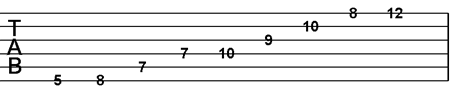
This pattern requires some shifting of your fretting hand, but once you get it down it is a lot of fun to play and looks and sounds cool. It's a great lick for moving fretboard positions.
Note: Be sure to practice this same shape in other places on the fretboard so that you can apply it to all of the minor arpeggios in whatever key you are playing in!
Defining the "Neighbor Note"
The notes we will consider neighbor notes are the notes located one fret below each of our arpeggio notes.
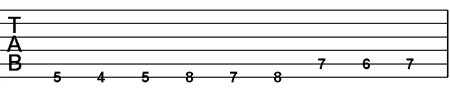
So for example, the low E-string 5th fret's neighbor is the note at the 4th fret ofthe low E-string; The Low E-string 8th fret's neighbor note is the 7th fret, and so on.
Getting the Classical Sound
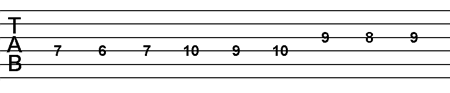
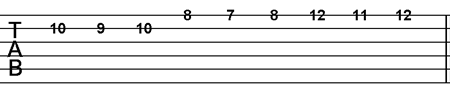
You can get a cool classical sound by playing each arpeggio note, then its neighbor and then the original note again. In the example below I have applied this concept to teh three-octave arpeggio shape.
Additonal Ideas to Get the Most From This Lesson:
- Apply this concept to major arpeggios
- Apply this idea to diminished 7th arpeggios
- Move your way through the arpeggios by trilling bewtween the arpeggio notes and neighbor notes. This technique sounds similar to something Randy Rhoads might play.
What other ideas can you come up with?